Myths about testing a Rudraksha
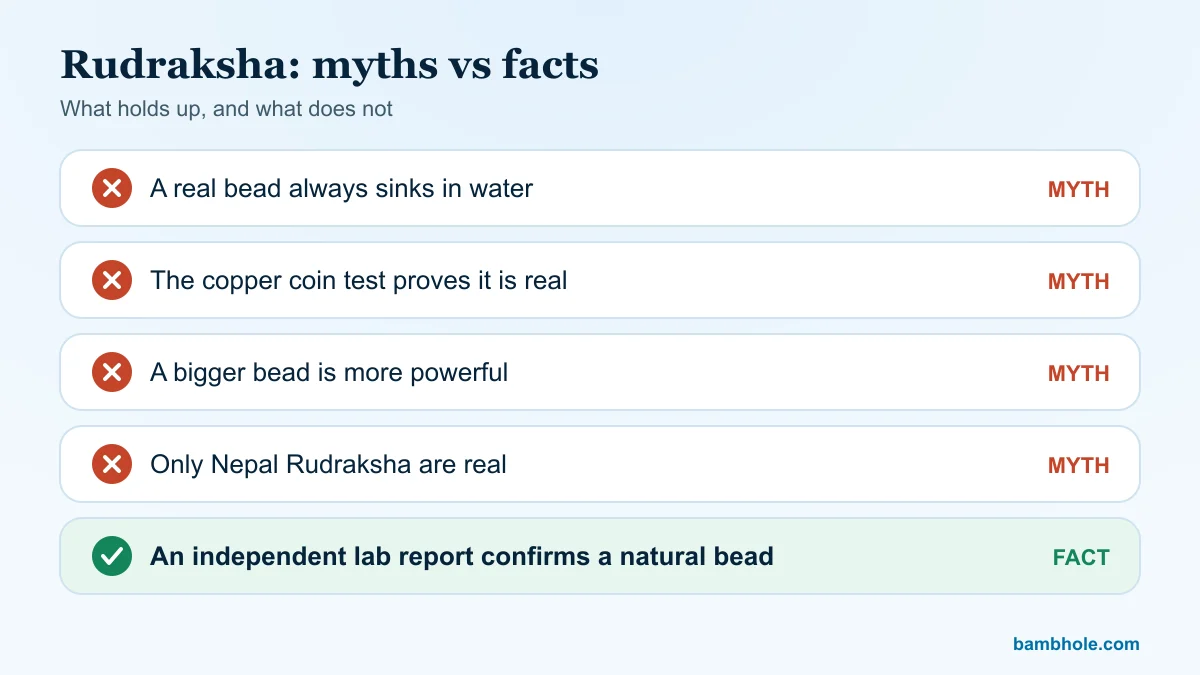
Myth: a real Rudraksha always sinks in water
Fact: whether a bead sinks or floats depends on its density, age, size and how much moisture it holds. Genuine beads, especially dry or young ones, can float, and fakes made of dense materials can sink. The water test cannot tell real from fake.
Myth: a real Rudraksha spins between two copper coins
Fact: any small movement comes from the hands holding the coins and the way the bead is balanced, not from the bead itself. A carefully held fake can "spin" just as well.
Myth: soaking in milk or boiling proves authenticity
Fact: milk leaves residue in the grooves and proves nothing. Boiling can crack a genuine bead, while a well-made fake may survive it. The reliable check is an independent laboratory report for that exact bead, as explained in how to check if a Rudraksha is real.
Myths about the beads themselves
Myth: a bigger Rudraksha is more powerful
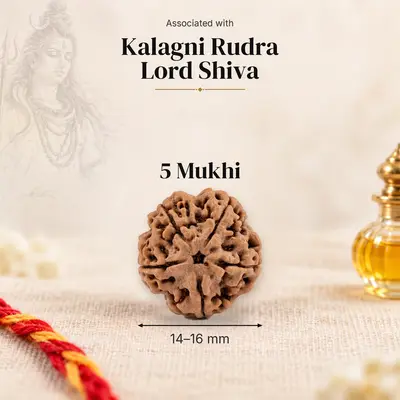
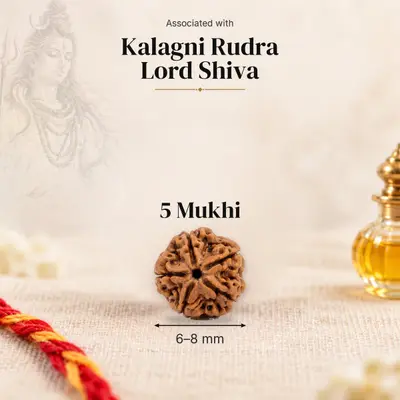
Fact: in tradition, the meaning of a Rudraksha comes from its mukhi and natural form. Size changes price, comfort and appearance, not significance. See the Rudraksha size guide.
Myth: only Nepal Rudraksha are real
Fact: Indonesian (Java) Rudraksha are natural beads from the same family of trees. They are smaller and denser, not fake. Read Nepal vs Indonesian Rudraksha.
Myth: a round 1 Mukhi bead is easy to find
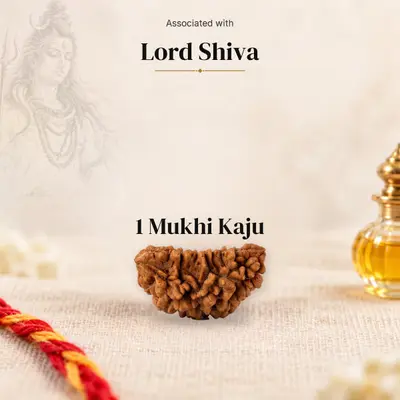
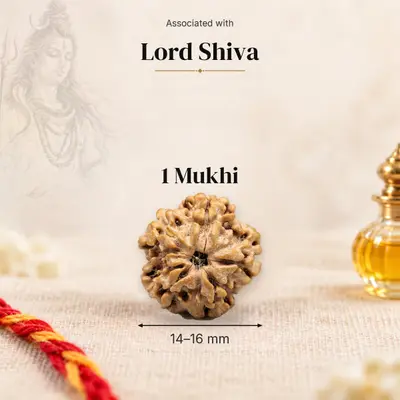
Fact: a round 1 Mukhi Nepal bead is extremely rare, which makes it a frequent target for fakes. The half-moon shaped 1 Mukhi Kaju bead is a different, more widely available form. Any 1 Mukhi bead should come with an independent lab report.
Myth: Rudraksha is a gemstone
Fact: a Rudraksha is the dried stone of the fruit of the Elaeocarpus tree, a natural seed. That is why it needs gentle care and occasional oiling, as described in the care guide.
Myths about wearing Rudraksha
Myth: only certain people may wear a Rudraksha
Fact: tradition generally holds that anyone can wear a Rudraksha, whatever their age, gender or background. Some families have particular customs, and these vary; many teachers treat them as personal choices. See how to wear Rudraksha.
Myth: a bead cannot be worn without an expensive ritual
Fact: many people simply wear the bead after a bath while chanting "Om Namah Shivaya". Pran Pratishtha is a respected but optional consecration. Every Bambhole Rudraksha is touch energised before dispatch.
Myths about buying Rudraksha
Myth: a lab certificate guarantees spiritual results
Fact: a laboratory report records material, origin and treatment. It confirms that a bead is a natural Rudraksha with a stated mukhi; it does not certify spiritual or astrological effects, which are traditional beliefs. Our guide to reading a lab report explains what the report covers.
Myth: a high price proves a bead is genuine
Fact: price says nothing about authenticity; fakes are usually sold at high prices. A report number you can verify yourself on an independent laboratory's website is what counts. Every Bambhole bead is lab tested by GJSPC and has its own report number.
Ready to choose? Start with which mukhi Rudraksha to wear, or browse all lab-tested beads.
Questions people ask
Is the water test for Rudraksha reliable?
No. Sinking or floating depends on density, age and moisture. Genuine beads can float and fakes can sink, so the test proves nothing.
Is a bigger Rudraksha more powerful?
No. In tradition the meaning comes from the mukhi and natural form, not the size. A bigger bead is rarer and costs more, but is not spiritually stronger.
Are Indonesian Rudraksha fake?
No. Indonesian (Java) Rudraksha are natural beads from the same family of trees as Nepal beads. They are smaller and denser.
Does a Rudraksha lab certificate guarantee results?
No. A lab report confirms material, origin and treatment, such as "Natural Rudraksha" with a stated mukhi. Spiritual effects are traditional beliefs, not guaranteed results.
Spiritual associations described here come from tradition. They are not medical claims or promises of a particular result.