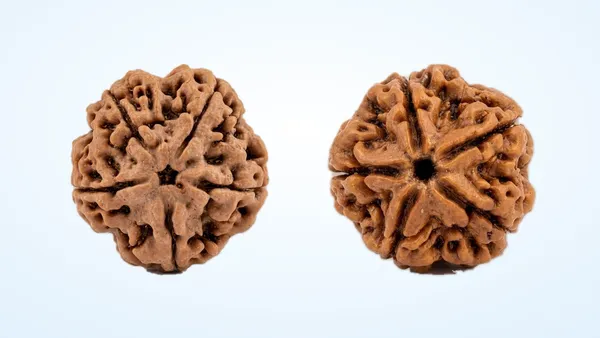
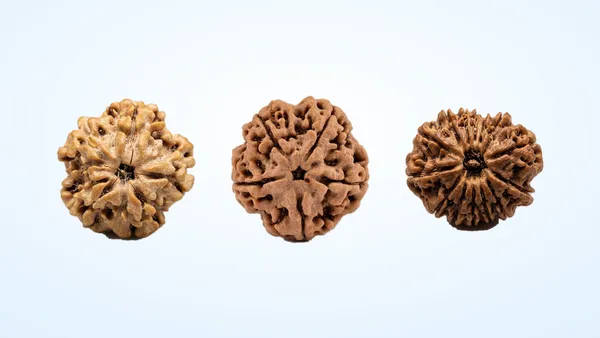
Nepal vs Indonesian (Java) Rudraksha
Both natural, both lab tested: the difference is size, texture and use
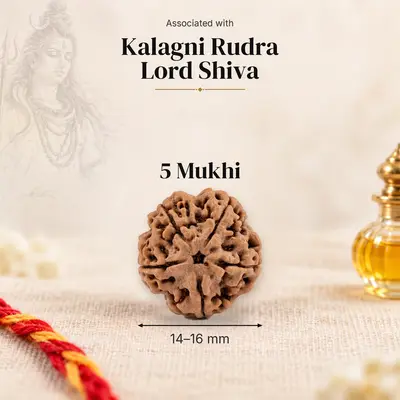
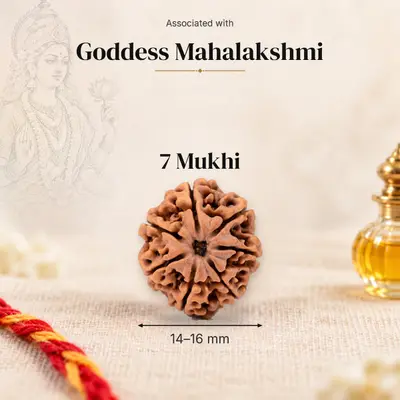
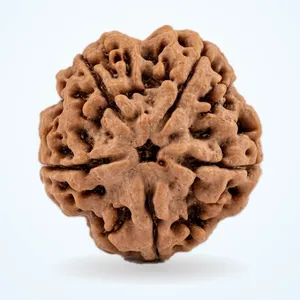 NepalLarger · deep, sharp linesListed 14–16 mm to 30–32 mmSingle bead, pendant
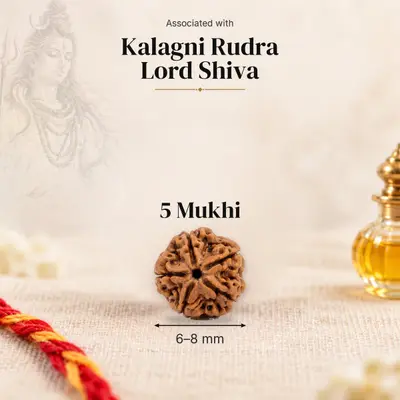
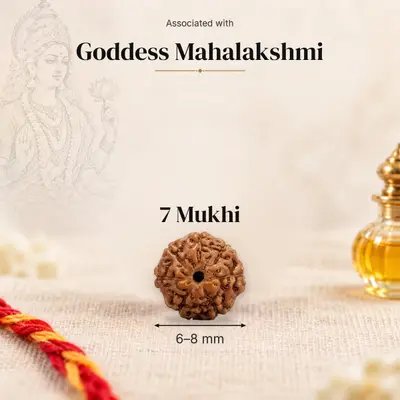
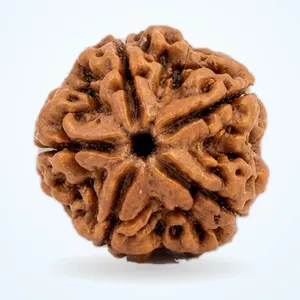 Indonesian (Java)Smaller · denser · smootherListed 6–8 mm to 18–20 mmBracelets, malas
The differences at a glance
| Nepal Rudraksha | Indonesian (Java) Rudraksha | |
|---|---|---|
| Size | Larger. On Bambhole, from 14–16 mm to 30–32 mm for 5 Mukhi. | Smaller. On Bambhole, from 6–8 mm to 18–20 mm for 5 Mukhi. |
| Mukhi lines | Deep and clearly defined, easy to count. | Shallower and finer; a magnifier helps. |
| Surface | Pronounced natural bumps and ridges. | Smoother and more even. |
| Density and feel | Lighter for its size. | Denser and harder for its size. |
| Typical use | A single bead on a thread, or a pendant. | Bracelets, malas and multi-bead combinations. |
| Price (higher mukhis) | Higher. 14 Mukhi from ₹22,500. | Usually far lower. 14 Mukhi from ₹675. |
Prices change with size and availability; the shop always shows the current price for each size.
Are Indonesian Rudraksha genuine?
Yes. Indonesian Rudraksha grow on the same family of Elaeocarpus trees as Nepal beads and are natural Rudraksha. They are not a lesser or "fake" version. The idea that only Nepal beads are real is one of the most common myths, and our myths vs facts guide explains where it comes from. What matters for authenticity is the same for both origins: an independent laboratory report for the bead. At Bambhole every bead, whatever its origin, is lab tested by GJSPC and has its own report number, and the report records the origin.
How to choose between them
Choose Nepal if you want a single statement bead
If you plan to wear one bead on a thread or as a pendant, a Nepal bead's size and deep lines make it easy to see and appreciate. Many people also like being able to count the mukhi lines without a magnifier.
Choose Indonesian if you want a bracelet or mala
Smaller, denser Java beads sit comfortably on the wrist and keep a mala light. If you want several beads together, Java beads are the practical choice.
Choose Indonesian for higher mukhis on a budget
Beads from about 10 Mukhi upward are rare in Nepal and priced accordingly. In tradition the meaning of a mukhi does not depend on the country, so many people choose a Java bead to wear a higher mukhi. Compare the 11 Mukhi or 14 Mukhi collections to see the difference.
Size and comfort matter more than you think
A bead you can wear every day is more useful than a bigger one that stays in a drawer. Our Rudraksha size guide explains the millimetre ranges and what suits each way of wearing.
Other origins: Himalayan and Indian beads
Alongside Nepal and Java beads, Bambhole lists a few Himalayan Rudraksha and Indian Rudraksha, including the 2 Mukhi Rameshwaram bead and the half-moon shaped 1 Mukhi Kaju bead. Each is lab tested by GJSPC like every other bead.
Shop by origin
Browse all Nepal Rudraksha or all Indonesian (Java) Rudraksha. If you are unsure which mukhi to choose, read which mukhi Rudraksha to wear.
Questions people ask
Which is better, Nepal or Indonesian Rudraksha?
Neither is better in itself. Nepal beads are larger with deeper lines and suit a single bead or pendant; Indonesian (Java) beads are smaller and denser and suit bracelets and malas. In tradition the mukhi matters more than the origin.
Are Indonesian Rudraksha real?
Yes. Indonesian (Java) Rudraksha are natural beads from the same family of trees as Nepal Rudraksha. Like any bead, authenticity is confirmed by an independent lab report.
Why are Nepal Rudraksha more expensive?
Nepal beads are larger, and beads of higher mukhis are rare in Nepal. Price rises with size and rarity. For many higher mukhis, the Java bead costs a fraction of the Nepal one.
How can I tell a Nepal bead from a Java bead?
Nepal beads are usually larger with deep, sharply defined lines and pronounced bumps; Java beads are smaller, smoother and denser. A lab report records the origin of the specific bead.
Spiritual associations described here come from tradition. They are not medical claims or promises of a particular result.