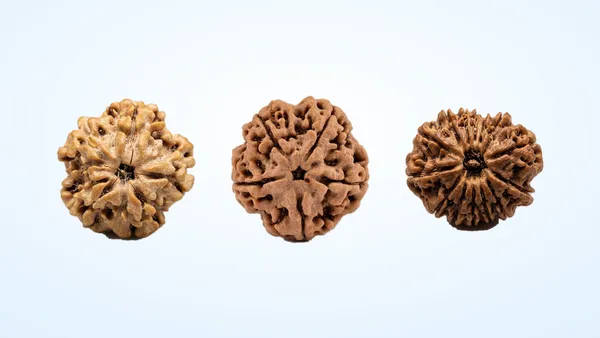
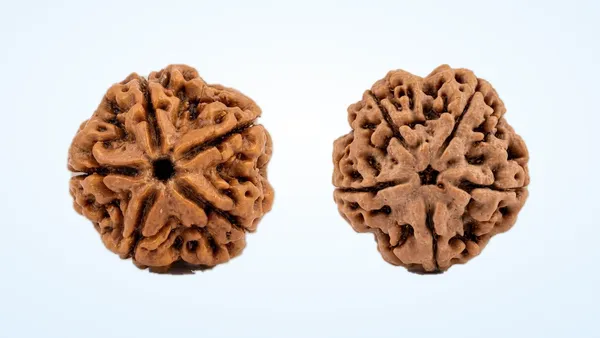
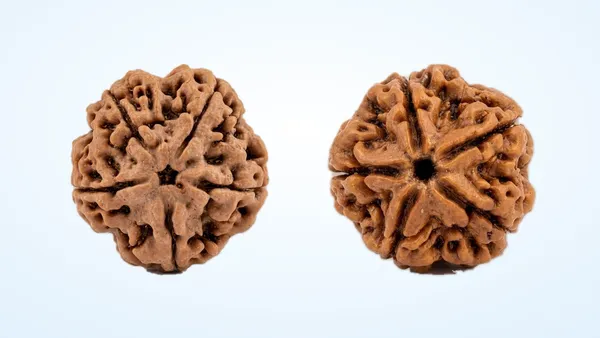
5 Mukhi (Panch Mukhi) Rudraksha
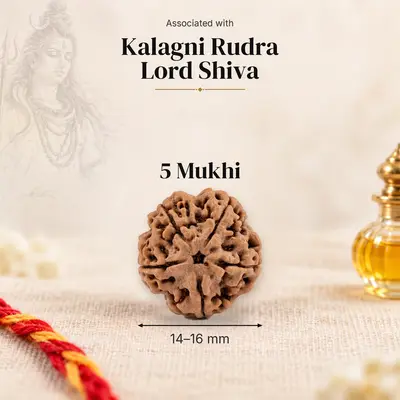
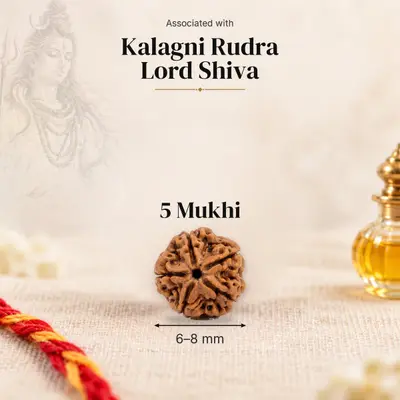
Traditionally linked to Kalagni Rudra, a form of Lord Shiva
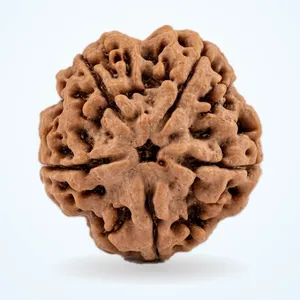 5 Mukhi, Nepalfive natural lineslarger, deep lines
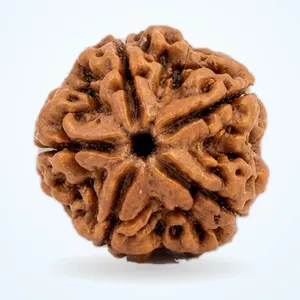 5 Mukhi, Javafive natural linessmaller and denser
What makes a bead 5 Mukhi
A 5 Mukhi bead has five natural lines, or faces, running from the top of the bead to the bottom, and five seed chambers inside that correspond to them. Its Hindi name is Panch Mukhi. It is the most common form of Rudraksha in nature, which is why it is also the most affordable and the most widely worn.
Traditional meaning
Tradition links the 5 Mukhi Rudraksha with Kalagni Rudra, a form of Lord Shiva, and devotees wear it for a calm mind and steady daily practice. Its five faces are also often connected with the five elements and with the five syllables of "Na-Ma-Shi-Va-Ya". These are traditional beliefs, not promised results.
Who wears a 5 Mukhi Rudraksha
- First-time wearers. Tradition holds that anyone can wear a 5 Mukhi, so it is the usual first Rudraksha.
- People who chant. Japa malas of 108 beads plus one guru bead are traditionally made from 5 Mukhi Rudraksha.
- Everyday wearers. It is light, widely available in every size and suits a thread, a bracelet or a pendant.
Nepal or Indonesian 5 Mukhi
| Nepal 5 Mukhi | Indonesian (Java) 5 Mukhi | |
|---|---|---|
| Sizes on Bambhole | 14–16 mm to 30–32 mm | 6–8 mm to 18–20 mm |
| Price per bead | from ₹15 | from ₹15 |
| Looks | Larger, deep lines, pronounced bumps | Smaller, smoother, denser |
| Best for | A single bead or pendant | Bracelets and malas |
| Shop | Nepal 5 Mukhi | Java 5 Mukhi |
Price depends on the size you choose; the product page shows the price for each size. The Nepal vs Indonesian guide covers the differences in more detail.
Choosing a size
For a single bead on a thread, a mid-size Nepal bead is easy to see and comfortable to wear. For a bracelet, a Java bead or a small Nepal bead sits better on the wrist. A bigger bead costs more but carries the same traditional meaning. See the Rudraksha size guide for a full comparison.
How to wear a 5 Mukhi Rudraksha
Traditionally it is first worn on a Monday morning after a bath, after chanting "Om Namah Shivaya" 108 times, on a red or black thread or in silver so that it touches the skin. Our guide on how to wear Rudraksha covers the full set of customs.
Is a 5 Mukhi Rudraksha ever faked?
Because 5 Mukhi beads are common and inexpensive, they are rarely faked as 5 Mukhi. They are, however, the raw material for many fakes: extra lines are carved into them to pass them off as rarer, higher mukhis. That is another reason to buy any bead with an independent lab report. Every Bambhole 5 Mukhi is lab tested by GJSPC with its own report number. Printed report card: free on beads from ₹1,000; ₹150 below that.
Browse the full 5 Mukhi Rudraksha collection.
Questions people ask
What is a 5 Mukhi Rudraksha?
A Rudraksha with five natural lines running from end to end and five seed chambers inside. Also called Panch Mukhi, it is the most common and most widely worn Rudraksha.
Who can wear a 5 Mukhi Rudraksha?
Tradition holds that anyone can wear a 5 Mukhi Rudraksha, which is why it is the usual first bead. It is traditionally linked with Kalagni Rudra, a form of Lord Shiva.
How much does a 5 Mukhi Rudraksha cost?
It depends on origin and size. Indonesian (Java) 5 Mukhi beads are the most affordable; larger Nepal beads cost more. Bambhole shows the price for every size on the product page.
Is a 5 Mukhi Rudraksha used for japa malas?
Yes. Japa malas of 108 beads plus a guru bead are traditionally made from 5 Mukhi Rudraksha.
Spiritual associations described here come from tradition. They are not medical claims or promises of a particular result.